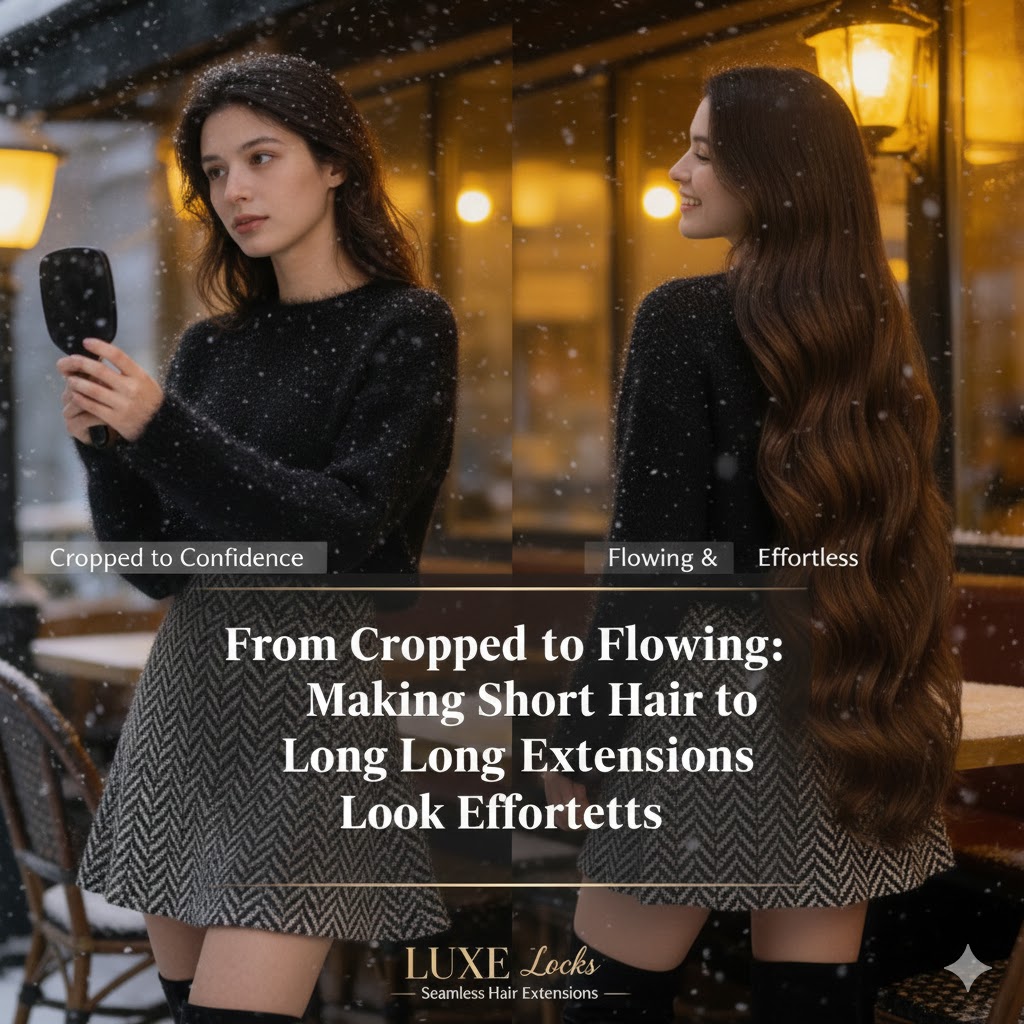
From Cropped to Flowing: Making Short Hair to Long Extensions Look Effortless
Short hair carries confidence.
Long hair carries drama.
And today, moving between the two no longer requires patience or regret.
With short hair to long extensions, women can explore length on their own terms — for a season, a weekend, or a change in mood — without altering their natural cut. The challenge isn’t adding hair; it’s making the transition look believable.
This guide breaks down what truly works when starting with short hair and aiming for long, fluid styles that feel natural in motion and comfortable in real life.
Why Lengthening Short Hair Needs a Different Strategy
Short hair behaves differently. There’s less coverage, fewer layers to hide transitions, and more exposure at the neckline and sides. That’s why extension choices that work for medium hair don’t always translate well here.
As Vogue highlights in its discussion of modern extension techniques, the most successful transformations rely on layering and proportion rather than sheer quantity (Vogue).
For short hair, realism depends on:
-
Strategic placement
-
Controlled density
-
Textures that soften the contrast
-
Length progression, not sudden drop
What Makes Short-to-Long Extensions Look Natural
1. Gradual Length Build-Up
Jumping from a bob to waist-length hair in one step often exposes attachment points. The most natural results come from building length gradually — starting with mid-length layers and extending downward.
2. Texture That Blends at the Ends
Allure hair experts emphasize that soft waves and body textures help blur the line between natural hair and added length (Allure).
Straight extensions can work, but they require precise cutting and styling to avoid harsh edges.
3. Light Density with Smart Coverage
Short hair doesn’t need heavy wefts. It needs thoughtful distribution. Lightweight extensions layered correctly offer coverage without bulk.
Best Extension Types for Short Hair
| Extension Type | Why It Works | Best For |
|---|---|---|
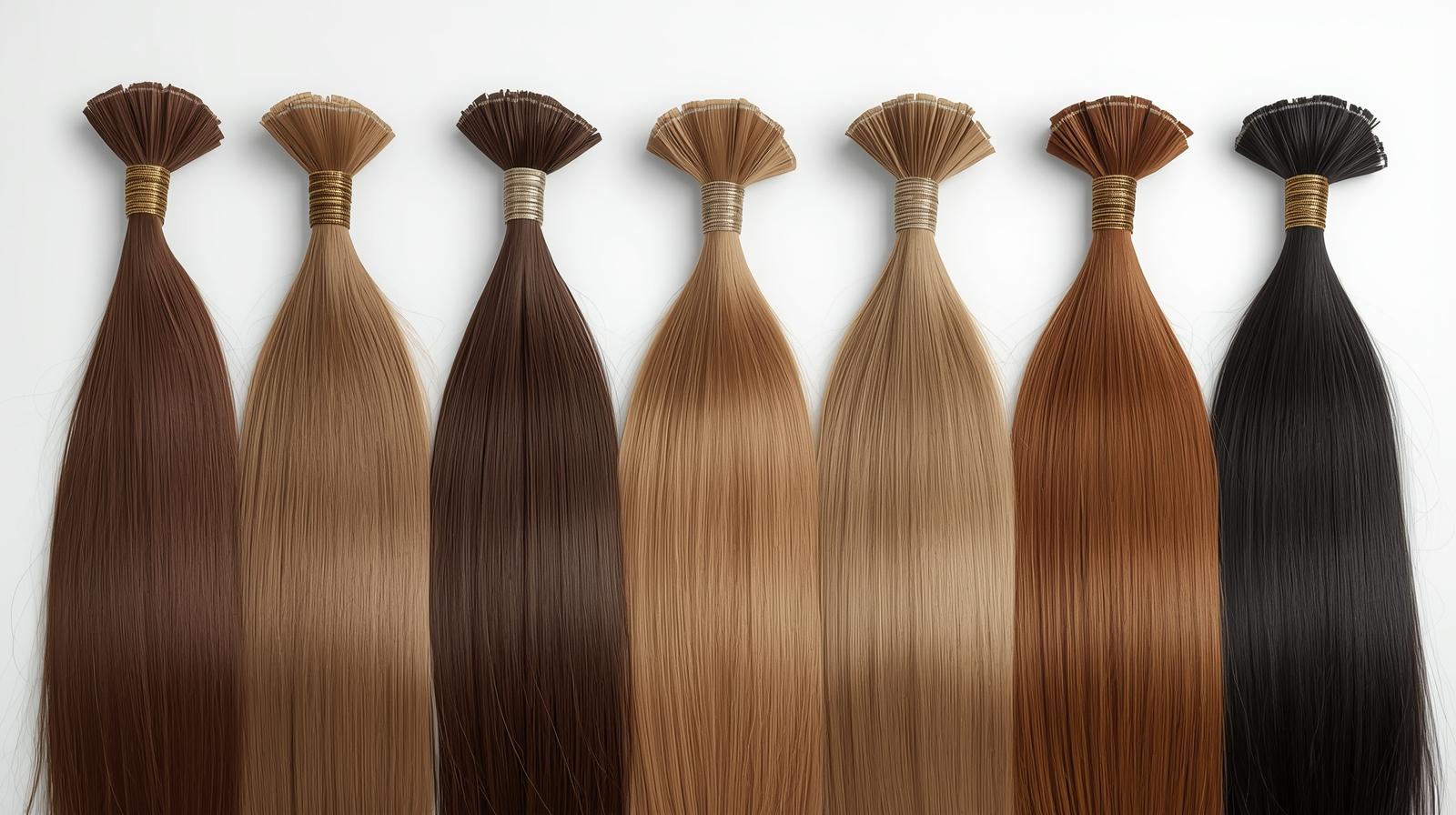
| Tape-In | Flat, discreet profile | Daily wear |
| Seamless Clip-In | Custom placement | Flexible styling |
| Invisible Weft / Halo | No tension, soft fall | Comfort-focused wear |
| Hand-Tied Wefts | Thin seams | Professional installs |
Byrdie stylists frequently note that flatter attachment systems make short hair transformations more believable, especially around the nape and sides (Byrdie).
Choosing Length, Texture & Color Wisely
Length Guidelines
-
Short pixie or crop: Start with 14–16 inches
-
Bob or lob: 16–20 inches
-
Layered short cuts: Up to 22 inches with proper layering
Extreme jumps in length can look striking — but subtle progression often looks more natural.
Texture Selection
-
Body wave: Softens the transition
-
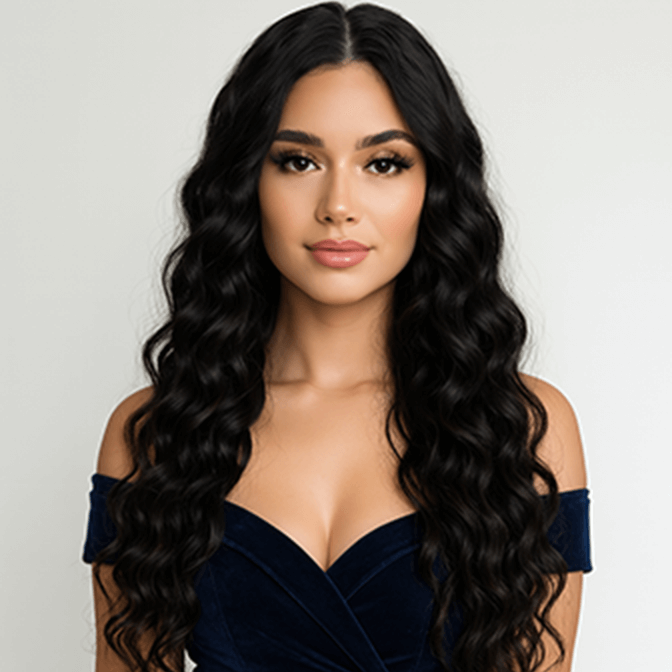
Loose wave: Adds flow and coverage
-
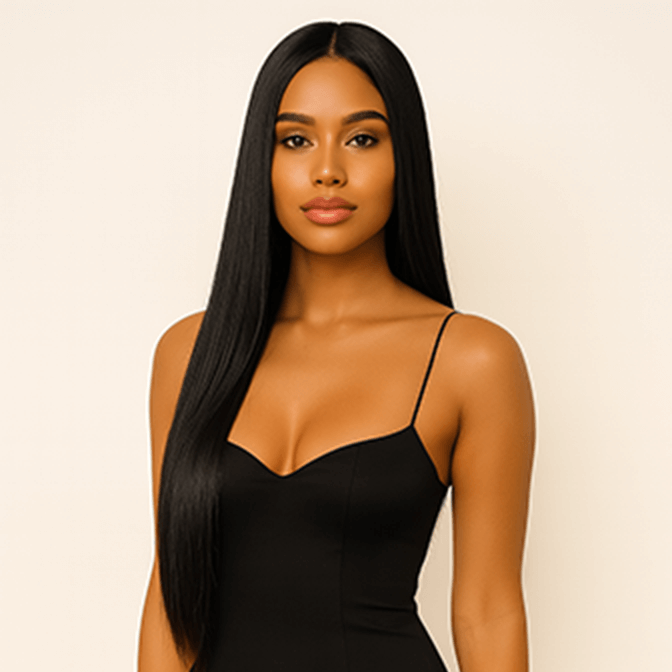
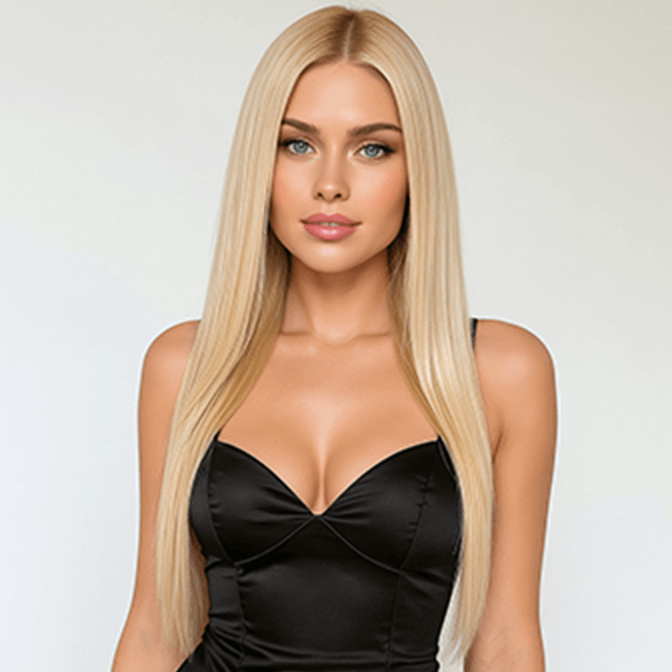
Silky straight: Works with precise cutting
Color Strategy
Short hair shows contrast quickly. Choosing extensions with tonal variation or soft highlights helps hide separation points and creates depth.
Installation Habits That Make the Difference
Short hair leaves little room for error. These habits matter:
-
Start extensions slightly below the crown
-
Layer shorter wefts above longer ones
-
Leave natural hair at the top and sides for coverage
-
Cut and style extensions with your natural hair
A professional trim after installation often transforms the result from “obvious” to seamless.
Styling Short Hair to Long Extensions in Real Life
Everyday Looks
-
Loose waves: Blur natural ends effortlessly
-
Half-up styles: Keep transitions hidden
-
Side part: Adds visual layering
Polished Moments
-
Low ponytail: Requires flat attachment methods
-
Soft blowout: Smooths length progression
-
Textured ends: Distract from the root-to-length shift
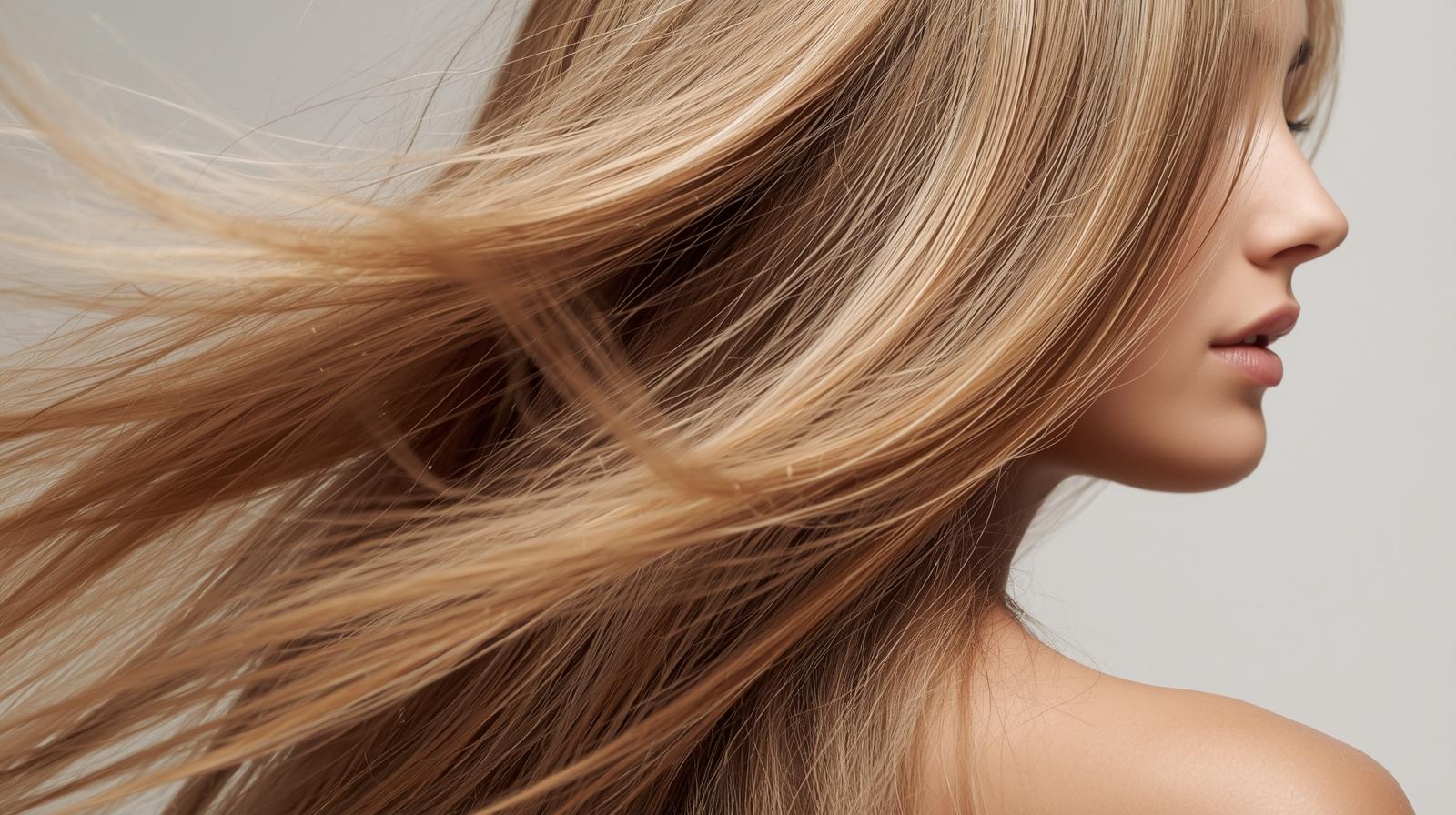
Movement is your ally. Hair that moves naturally looks longer — and more believable.
Care That Keeps the Blend Invisible
| Care Habit | Frequency | Why It Helps |
|---|---|---|
| Gentle washing | Every 7–10 wears | Prevents buildup |
| Light conditioning | Weekly | Keeps ends fluid |
| Low heat styling | As needed | Maintains texture |
| Silk protection | Nightly | Reduces friction |
| Flat storage | After wear | Preserves shape |
Short hair transitions look best when extensions remain soft and responsive.
Why Ehair Is Trusted for Short-to-Long Transformations
Ehair focuses on realistic transitions rather than dramatic shortcuts.
Each set uses 100% human hair, balanced density, and textures designed to soften contrast between natural short cuts and longer lengths.
Women choose Ehair because:
-
Extensions layer smoothly with short hair
-
Wefts feel light and comfortable
-
Hair blends under natural light
-
Styling remains flexible
Length should feel intentional — not forced.
FAQ — What Women Ask Most
Q1: Can very short hair wear long extensions?
Yes, with proper layering and flat attachment systems.
Q2: Do extensions show at the back of the neck?
Not when placed lower and covered with layered styling.
Q3: Is daily wear possible?
Yes, especially with lightweight, removable options.
Q4: Which texture hides short ends best?
Body wave and loose wave textures are the most forgiving.
Length Without Waiting
The beauty of short hair to long extensions lies in choice — when to wear length, how to style it, and when to return to your natural cut.
It’s freedom, not commitment.
Transformation, not pressure.
Explore length options designed for seamless blending at
👉 https://www.ehairoutletstore.com/