When Less Hair Needs More Thought: Choosing the Best Extensions for Thin Hair
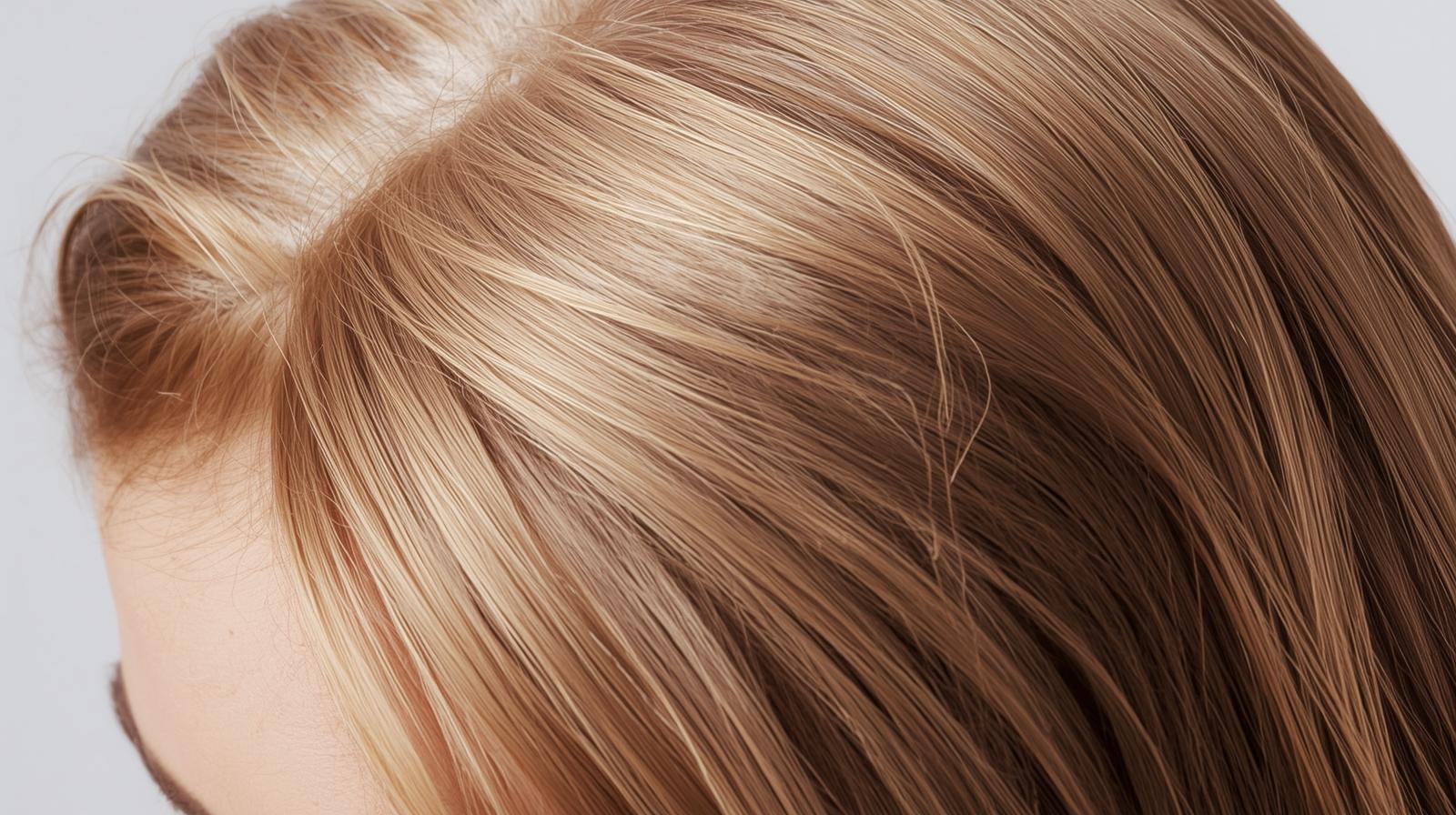
Thin hair doesn’t lack beauty — it simply requires intention.
The wrong extension choice can overwhelm fine strands, while the right one disappears so seamlessly that even you forget it’s there.
Finding the best extensions for thin hair is less about length and more about proportion, comfort, and how hair behaves throughout a real day — from morning light to evening movement.
This guide focuses on what truly matters for fine hair: subtle enhancement that feels light, looks believable, and supports long-term hair health.
Why Thin Hair Needs a Different Approach
Women with thin hair often share the same concerns:
-
Extensions feel heavy after a few hours
-
Clips or tapes show through
-
Added volume looks unnatural
-
Roots feel sore or stressed
As Vogue explains in its feature on modern hair aesthetics, fine hair responds best to designs that respect natural density rather than overpower it (Vogue).
That’s why the most successful extension results for thin hair are often the least obvious.
Thin hair doesn’t need “more.”
It needs smarter.
What Actually Works for Fine Hair
1. Lightweight Construction Over Maximum Density
Thin hair benefits from extensions that distribute weight evenly. Overly dense wefts create contrast — and contrast reveals extensions.
Look for:
-
Thin, flexible wefts
-
Fewer attachment points
-
Balanced density rather than fullness
2. Textures That Mimic Natural Fall
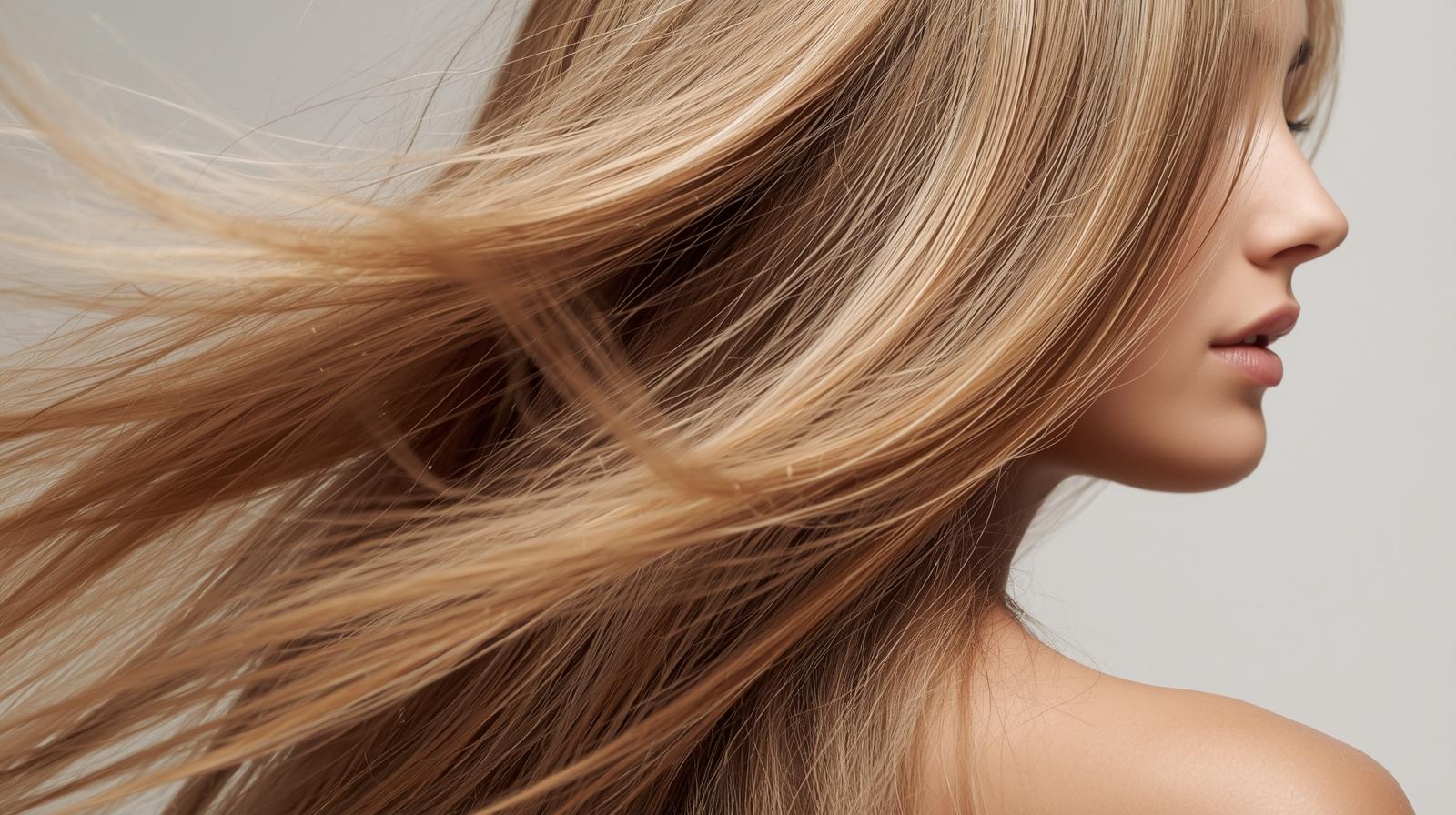
Fine hair tends to move fluidly. Extensions should do the same.
Allure hair specialists note that soft, flowing textures integrate best with fine strands because they follow the same movement patterns (Allure).
Textures that consistently perform well:
-
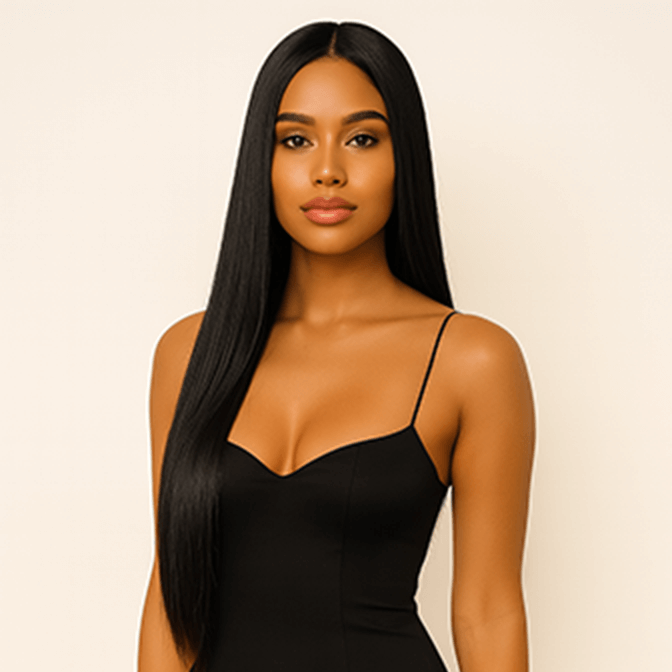
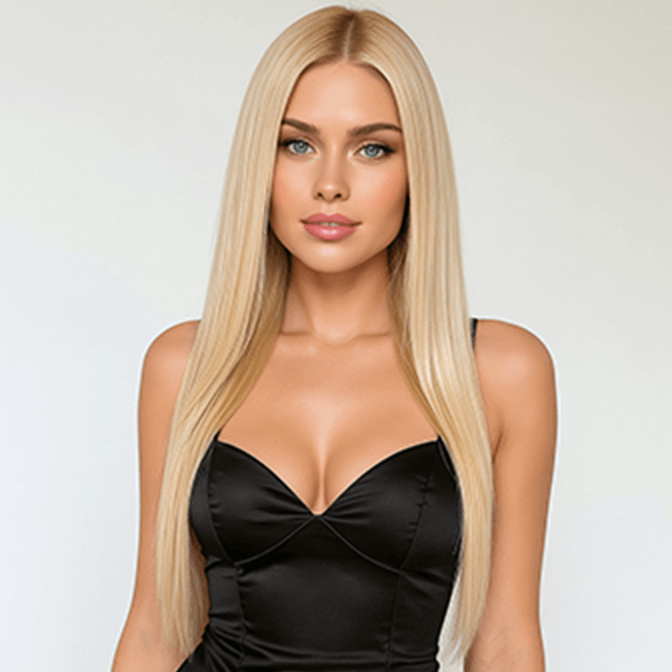
Silky straight
-
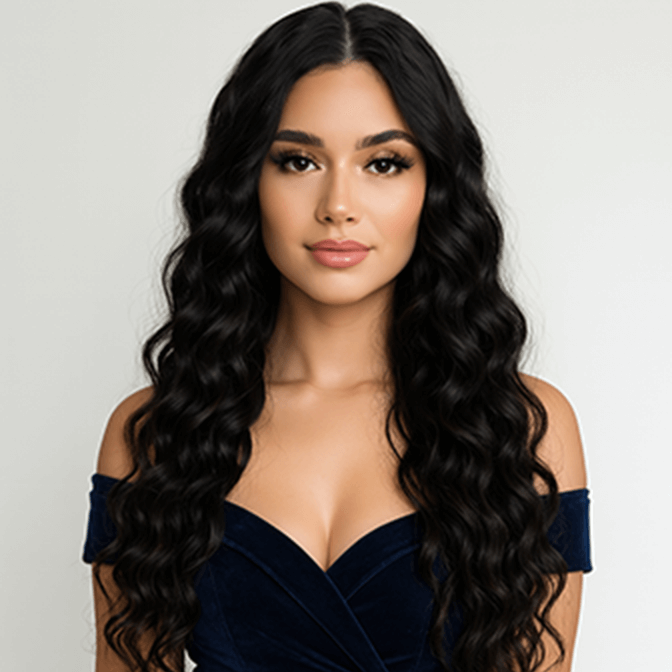
Body wave
-
Loose wave
Avoid overly tight curls or blunt, heavy ends unless layered professionally.
Extension Types Ranked for Thin Hair
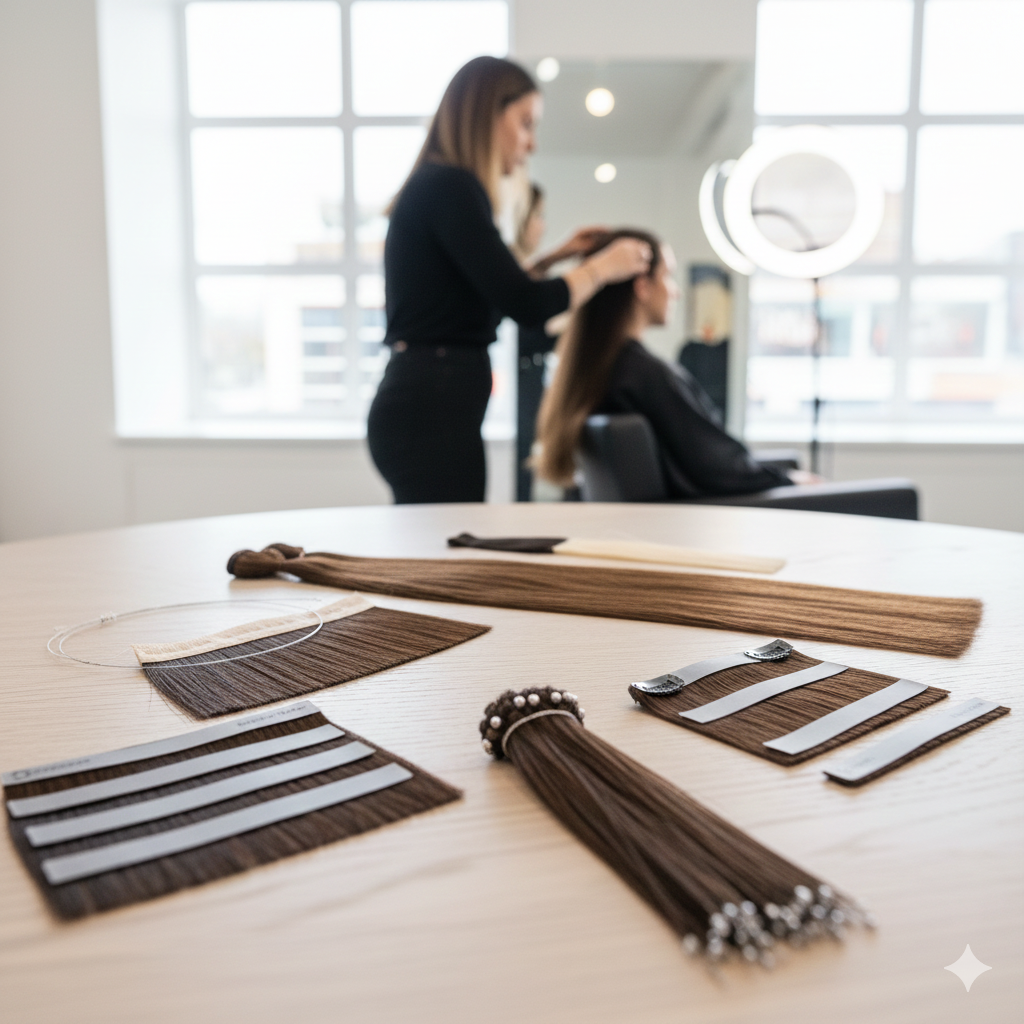
| Extension Type | Comfort Level | Visibility | Why It Works |
|---|---|---|---|
| Clip-In (Light Sets) | High | Low (when placed well) | Control & flexibility |
| Tape-In (Fine Hair Tape) | Medium–High | Very low | Flat, discreet profile |
| Halo / Invisible Weft | Very high | Very low | No tension, no clips |
| Hand-Tied Wefts | Medium | Low | Lightweight, layered installs |
Byrdie stylists frequently recommend halo or tape-in systems for thin hair because they reduce localized stress at the roots (Byrdie).
Length, Density & Color: The Balance Equation
Length That Looks Real
-
10–14 inches: Appears like healthy growth
-
14–18 inches: Adds elegance without drag
-
18–20 inches: Still natural with light density
Longer lengths can work — but only if density stays controlled.
Density Guidelines
For thin hair, 100–120% density usually looks most authentic.
Anything heavier often creates a visible mismatch at the roots.
Color Strategy
Natural blending relies on subtle variation:
-
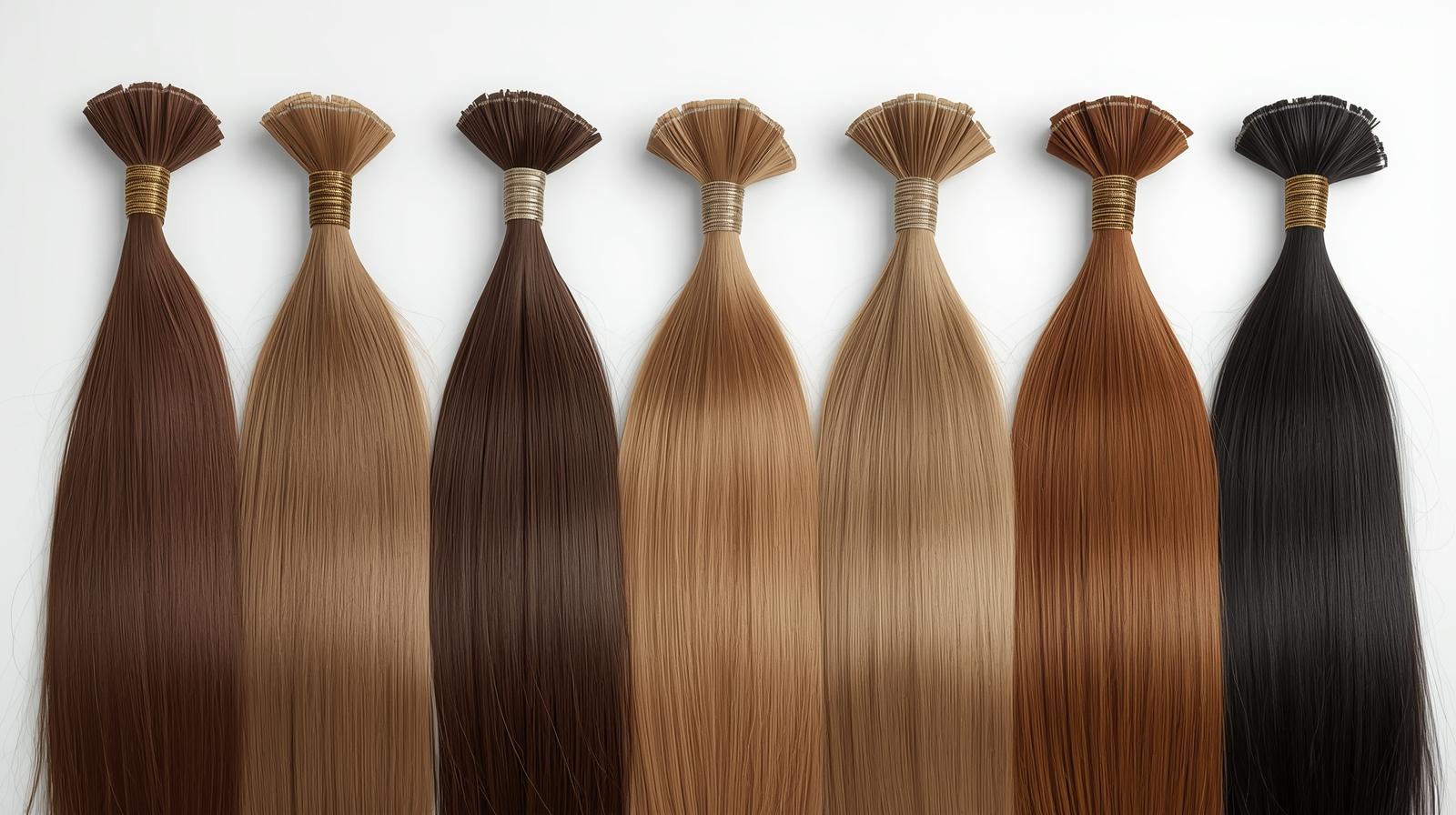
Match undertones, not just shade
-
Soft highlights help hide attachment points
-
Avoid stark single-tone colors
Fine hair shows contrast quickly — thoughtful color choice matters more than length.
Installation Habits That Protect Fine Roots
Thin hair responds best to gentle handling.
Best Practices
-
Install extensions below the crown, not at the hairline
-
Avoid stacking wefts
-
Leave natural hair to cover seams
-
Style hair and extensions together
Pre-styling with a light wave helps blend textures and prevents slippage.
Daily Styling Without Stress
The best extensions for thin hair should fade into your routine, not interrupt it.
Daily Tips
-
Keep roots product-light
-
Apply serum only to mid-lengths
-
Limit heat repetition
-
Use fingers or soft brushes
Consistency protects both your extensions and your natural strands.
Care That Keeps Fine Hair Comfortable
| Care Step | Frequency | Benefit |
|---|---|---|
| Gentle wash | Every 7–10 wears | Prevents dryness |
| Deep moisture | Weekly | Maintains softness |
| Low heat | As needed | Reduces breakage |
| Silk protection | Nightly | Minimizes friction |
| Flat storage | After wear | Preserves shape |
Thin hair thrives when friction and weight are minimized.
Why Ehair Works Well for Thin Hair
Ehair focuses on extension designs that prioritize comfort and realism.
Bundles are crafted from 100% human hair with aligned cuticles, controlled density, and textures that adapt naturally to fine hair movement.
Women with thin hair choose Ehair because:
-
Extensions don’t overpower their base hair
-
Wefts feel light even after hours
-
Styles blend under natural light
-
Hair remains comfortable throughout the day
It’s enhancement that respects what you already have.
FAQ — Real Questions, Clear Answers
Q1: Can thin hair wear extensions every day?
Yes — when lightweight systems are used and removed properly.
Q2: Are clip-ins safe for fine hair?
Yes, especially when used selectively and not slept in.
Q3: Do extensions cause hair loss?
Poor installation can. Correct placement and light density reduce risk significantly.
Q4: Which texture hides thin roots best?
Body wave and loose wave textures provide soft coverage without weight.
Hair That Feels Like Yours
Thin hair doesn’t need to be hidden or corrected.
With the best extensions for thin hair, it can feel fuller, softer, and more expressive — without strain or sacrifice.
The right extensions don’t change your hair story.
They simply support it.
Explore lightweight, natural-blend options at
👉 https://www.ehairoutletstore.com/